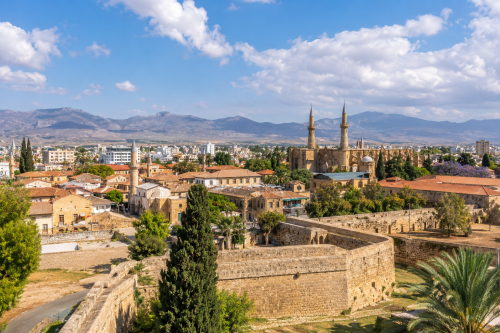
When people think of Cyprus, they often imagine golden beaches, crystal-clear waters, and picturesque villages. However, in the heart of the island lies one of Europe's most fascinating and historically significant destinations—Nicosia, the last divided capital in the world.
Unlike any other European capital, Nicosia offers visitors the unique opportunity to experience two cultures, two communities, and centuries of history within a single day. Whether you are passionate about history, architecture, gastronomy, museums, or simply enjoy exploring authentic cities, Nicosia should be at the top of your Cyprus travel itinerary.
Where is Nicosia?
Nicosia (also known as Lefkosia) is the capital city of Cyprus and the island's political, cultural, financial, and administrative center. Located in the heart of Cyprus, it is easily accessible from all major cities:
- Larnaca – approximately 45 minutes
- Limassol – approximately 1 hour
- Paphos – around 1 hour 45 minutes
- Ayia Napa – approximately 1 hour
Unlike the coastal resorts, Nicosia offers visitors an authentic urban experience rich in history and local culture.
Why is Nicosia Called the Last Divided Capital?
Nicosia is internationally known as the last divided capital in Europe.
Following the events of 1974, the city was divided into two parts by the United Nations Buffer Zone, commonly known as the Green Line.
Today:
- The southern part belongs to the internationally recognized Republic of Cyprus.
- The northern part is administered by the Turkish Cypriot authorities.
Despite the division, visitors can legally cross between both sides through designated checkpoints by presenting a valid passport or national identity card (depending on nationality and applicable travel regulations).
This unique situation allows travelers to experience two distinct cultures within walking distance.
Walking Along the Green Line
One of the most memorable experiences in Nicosia is walking through the historic old city and reaching the Green Line.
At Ledra Street Crossing, visitors can literally walk from one side of the city to the other in just a few minutes.
The crossing itself symbolizes both the island's difficult past and the ongoing hope for reconciliation.
Walking through this area offers a rare opportunity to witness history still shaping everyday life.
Explore the Beautiful Old Town
The historic center of Nicosia is surrounded by magnificent 16th-century Venetian Walls, built to defend the city against invasions.
Inside the walls, visitors will discover:
- Narrow cobblestone streets
- Traditional Cypriot houses
- Boutique shops
- Artisan workshops
- Charming cafés
- Local taverns
- Historic churches
- Ottoman-era architecture
The old town perfectly blends medieval history with modern city life.
Must-Visit Attractions in Nicosia
Ledra Street
The city's most famous pedestrian street is filled with:
- Fashion boutiques
- Restaurants
- Coffee shops
- Souvenir stores
- Street performers
It is also home to the most popular crossing point between the two sides of the city.
Famagusta Gate
One of the three original entrances through the Venetian Walls, Famagusta Gate has been beautifully restored and now hosts exhibitions and cultural events.
The Venetian Walls
Stretching nearly five kilometers around the old city, these impressive fortifications remain one of the best-preserved examples of Renaissance military architecture in Europe.
Cyprus Museum
History lovers should not miss the Cyprus Museum, which houses the island's most important archaeological collection.
Highlights include:
- Ancient sculptures
- Pottery
- Bronze Age artifacts
- Roman mosaics
- Early Christian treasures
The museum tells the story of Cyprus over more than 10,000 years of history.
Buyuk Han
After crossing into the northern part of the city, visitors should explore Buyuk Han, one of the finest examples of Ottoman architecture on the island.
Today it features:
- Art galleries
- Craft shops
- Traditional cafés
- Courtyard restaurants
It is considered one of the most beautiful historical buildings in Cyprus.
Selimiye Mosque
Originally built as a Gothic cathedral during the Lusignan period, this magnificent building was later converted into a mosque during Ottoman rule. Its remarkable architecture reflects the island's multicultural heritage.
Taste Traditional Cypriot Cuisine
No visit to Nicosia is complete without enjoying authentic Cypriot food.
Popular local dishes include:
- Meze
- Halloumi cheese
- Souvla
- Kleftiko
- Sheftalia
- Loukoumades
- Baklava
The city offers everything from traditional taverns to modern gourmet restaurants.
Shopping in Nicosia
Nicosia is Cyprus' premier shopping destination.
Visitors can enjoy:
- International fashion brands
- Local designer boutiques
- Jewelry stores
- Handmade crafts
- Traditional sweets
- Local wines
- Olive oil products
The combination of modern shopping malls and traditional markets makes shopping especially enjoyable.
Is Nicosia Worth Visiting?
Absolutely.
While Cyprus is famous for its beaches, Nicosia offers something entirely different:
- Rich history
- Unique political significance
- Diverse architecture
- Excellent museums
- Vibrant café culture
- Outstanding food
- Authentic local atmosphere
It is one of the few places in the world where visitors can experience two communities, two histories, and two cultural traditions within a single afternoon.
Best Time to Visit Nicosia
The ideal seasons are:
Spring (March–May)
Comfortable temperatures, blooming parks, and ideal sightseeing conditions.
Autumn (September–November)
Warm weather with fewer tourists and pleasant evenings.
Summer can be very hot, often exceeding 38°C, making early morning and evening sightseeing more comfortable.
Travel Tips
- Wear comfortable walking shoes.
- Carry your passport or valid ID if you plan to cross the Green Line.
- Bring water during the summer months.
- Visit museums in the morning to avoid the afternoon heat.
- Spend at least one full day exploring both sides of the city.
Nicosia is far more than the administrative capital of Cyprus. It is a city where ancient civilizations, medieval fortifications, Ottoman heritage, British colonial influences, and modern European life coexist within remarkably compact surroundings.
Its status as the last divided capital in Europe makes it one of the continent's most unique destinations, offering visitors an experience that combines history, culture, resilience, and hope. Whether you are exploring the atmospheric streets inside the Venetian Walls, crossing the Green Line, discovering world-class museums, or enjoying traditional Cypriot cuisine, Nicosia provides an unforgettable journey unlike anywhere else on the island.
If you want to understand the true story of Cyprus beyond its beautiful beaches, Nicosia is the place to begin. It is a destination that leaves visitors with a deeper appreciation of the island's rich heritage, complex history, and vibrant multicultural identity.