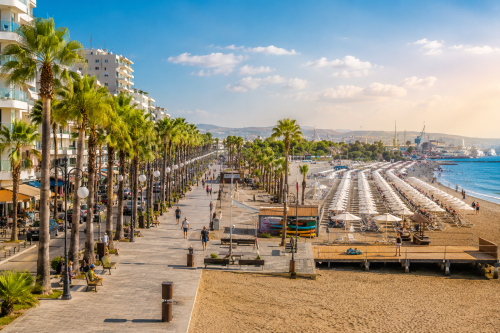
Larnaca, the third-largest city in Cyprus, is not only a popular tourist destination but also a city with a rich and fascinating history. Located on the island's southeastern coast, Larnaca combines ancient ruins, beautiful beaches, and modern infrastructure, attracting thousands of visitors every year. With a continuously inhabited history spanning more than 6,000 years, the city boasts a remarkable cultural heritage shaped by numerous civilizations.
The Ancient City of Kition
The history of Larnaca begins with the ancient city of Kition, founded around the 13th century BC by the Mycenaean Greeks. Kition was one of the most important commercial and cultural centres of the ancient world, thanks to its strategic location on the Mediterranean Sea. The city flourished as a major port and formed part of the extensive trade network connecting Egypt, the Levant, and the rest of the Mediterranean.
Archaeological excavations in Larnaca have uncovered the remains of ancient temples, fortifications, and other structures that highlight Kition's significance as an important political and religious centre of Cyprus. Today, visitors can explore these remarkable ruins, which stand as a lasting testament to the city's ancient importance.
The Byzantine and Ottoman Periods
Following the decline of the Roman Empire, Larnaca became part of the Byzantine Empire and developed into an important Christian centre. During this period, numerous churches and monasteries were built, many of which continue to reflect the city's rich Christian heritage.
In 1571, Larnaca came under Ottoman rule, which lasted for more than three centuries. Throughout the Ottoman period, the city continued to prosper as a thriving commercial port. The Ottomans also left a lasting mark on Larnaca's architecture and culture. One of the most iconic landmarks from this era is the Hala Sultan Tekke Mosque, one of the most significant Islamic pilgrimage sites in Cyprus.
Larnaca During British Rule
In 1878, Cyprus came under British administration, marking the beginning of a new chapter in Larnaca's history. During the British colonial period, the city remained an important commercial harbour and trading centre. The British also invested significantly in the city's infrastructure, constructing modern roads, expanding the port, and improving public services.
By the early 20th century, Larnaca had already established itself as a popular tourist destination, offering a unique combination of ancient archaeological treasures, picturesque beaches, and modern amenities. Today, it continues to welcome visitors from around the world.
Modern Larnaca: Where History Meets Contemporary Life
Modern-day Larnaca is a vibrant cosmopolitan city that successfully blends its ancient heritage with contemporary comforts. Historic landmarks such as the Church of Saint Lazarus, dating back to the 9th century, and the Larnaca Medieval Castle attract history and culture enthusiasts from across the globe. At the same time, the city's famous beaches, including Finikoudes and Mackenzie Beach, provide the perfect setting for relaxation and a wide range of water activities.
Larnaca is also home to Cyprus' main international airport, making it one of the country's primary gateways for international visitors. In addition, the city is renowned for its water sports, lively festivals, and cultural events, all of which offer guests an authentic Cypriot experience.
Why Visit Larnaca?
Larnaca's history is deeply intertwined with the rich cultural heritage of Cyprus. A visit to this beautiful city allows travellers to experience thousands of years of history while enjoying the comforts of a modern Mediterranean destination. Whether you wish to explore the ancient ruins of Kition, admire historic churches and mosques, stroll along the palm-lined promenade, or simply relax on its golden beaches, Larnaca offers the perfect setting for an unforgettable Cypriot adventure.